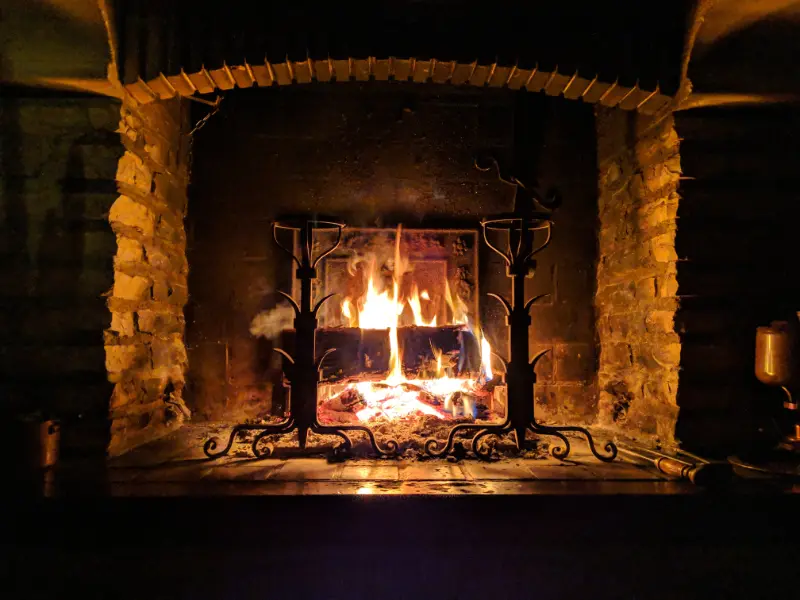
Reinstating a fireplace involves restoring the fireplace's opening, original features, hearth, chimney and flue so that the fireplace can become a practical part of the home again. This article explains the main stages involved in a fireplace reinstatement service and why each step is important.
Assessing the Condition of the Existing Fireplace
Assessing the condition of the existing fireplace is an important step when you're reinstating an antique fireplace. This stage helps identify any signs of damage, missing parts and safety issues before any restoration or installation work begins.
The assessment usually starts with a visual inspection of the fireplace opening, surround, hearth and any remaining original features. Cracks, loose materials, corrosion, damaged tiles and signs of previous repairs should all be checked, and the condition of the chimney breast should also be reviewed for signs of movement or damage.
If the fireplace is supposed to be used as a working heat source, the chimney and flue also need to be inspected. This step generally involves checking for blockages, damaged flue liners, poor ventilation or signs of previous chimney fires.
A proper assessment helps prevent unsuitable materials or heating appliances from being installed, which makes the reinstatement process safer.
Checking the Chimney and Flue
Checking the chimney and flue is an important part of reinstating an antique fireplace. The aim of this stage is to make sure the system can safely carry smoke and combustion gases out of the building before the fireplace is brought back to life.
The process usually begins with a visual inspection of the chimney, fireplace opening and the flue. After this, the chimney is then swept to remove any soot, debris, bird nests or other blockages. A specialist can also check for cracks, damaged brickwork, loose materials and problems with an existing flue liner.
Further testing may be carried out to check whether the flue is working correctly and whether smoke can travel safely to the chimney outlet. In some cases, a camera inspection may be done to examine areas of the chimney that cannot be seen from the fireplace's opening.
This process is important because a damaged or blocked flue can stop combustion gases from leaving your property, and it can also increase the risk of smoke and fires.
Removing Boards or Covers From the Fireplace Opening
Any boards or covers are typically removed from a fireplace opening during a reinstatement service since older fireplaces were often sealed when they were no longer in use. Removing these covers allows the original opening to be inspected, prepared and restored.
The process is carried out carefully to avoid damaging the surrounding wall, chimney breast or any other original fireplace features that may remain behind the covering. Any timber boards, plasterboard, tiles or other materials may need to be removed using hand tools so that loose plaster, debris or old fixings can be cleared away.
Once the opening is exposed, the condition of the fireplace can be checked. This includes checking the brickwork, the hearth, cast iron parts or other period features that could be restored. Removing the boards can also show signs of damage, damp, cracks or previous alterations that may need attention.
Identifying The Original Fireplace Features
Identifying the fireplace's original features is an important part of reinstating an antique fireplace because it helps preserve the character and appearance of the property. Older homes can contain original fireplace parts that have been covered up, altered or partly removed over time, and during the inspection, the fireplace opening, hearth, surround and chimney breast are checked for surviving features.
These features may include cast iron inserts, decorative tiles, stone or timber surrounds, brickwork and original fixing points. Old photographs, property records or similar fireplaces from the same time period may also be used to help identify missing details. This process helps determine which parts of the fireplace can be kept and restored rather than replaced, and it can also impact what replacement pieces can be used.
Repairing Damaged Fireplace Components
Older fireplaces can develop issues like cracks, corrosion, loose sections or broken decorative parts over time due to previous alterations or poor maintenance. Cracked or loose tiles can be carefully removed and reset, while missing tiles can sometimes be replaced with suitable period-style pieces.
Damaged cast iron parts may be cleaned in order to remove rust before minor repairs are done. Loose stone, brick or timber sections can also be secured or repaired, and any damage around the fireplace opening, hearth or surrounding structure should be checked before the fireplace is put back into use.
Any parts that cannot be repaired safely need to be replaced with suitable alternatives. Repairing the existing components helps preserve as much of the original fireplace as possible, and it can also improve the appearance of the finished fireplace and reduce the risk of damaged materials becoming loose or causing further problems.
Preparing the Fireplace Opening for Reinstallation
Preparing the fireplace opening is an essential part of a reinstatement service because it creates a safe, stable space for the fireplace to be fitted. Older openings can contain loose plaster, damaged brickwork, old fixings, debris or materials that have been left behind from previous work.
The preparation process usually starts by clearing the opening and removing any loose or unsuitable materials. The brickwork and surrounding structure are then checked for cracks, movement or damage, and any repairs are typically carried out during this stage to make sure the opening is strong enough to support the fireplace.
The size and shape of the opening also need to be checked against the type of fireplace being installed to make sure the fireplace fits properly and sits in the correct position. Good preparation work is important because an uneven, damaged, or incorrectly sized opening can affect the quality and safety of the installation.
Restoring or Rebuilding the Hearth
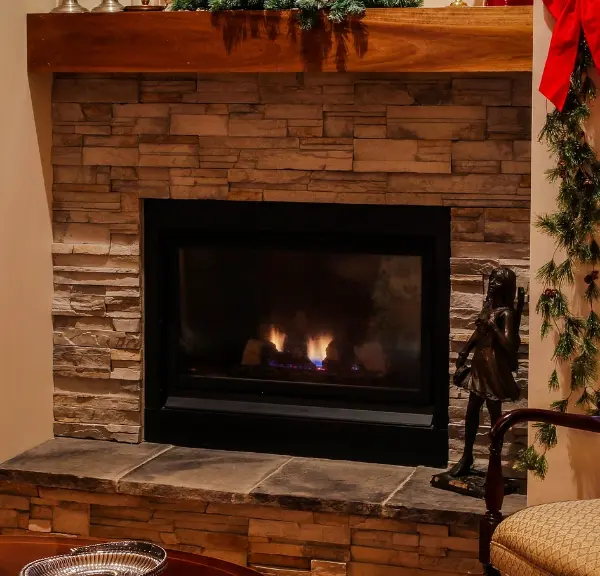
The hearth is often rebuilt or restored during an antique fireplace reinstatement service because it's an important part of the fireplace's structure. Older hearths may become cracked, uneven, damaged or partly removed over time once the fireplace no longer serves a purpose.
Due to this, the existing hearth is inspected to determine whether it can be repaired or not. Any loose, cracked, damaged or uneven sections may need to be removed, while any suitable original materials can be left in place.
If the original hearth is missing or beyond repair, a replacement hearth can be fitted using materials that suit the age and style of the fireplace. Restoring the hearth helps create a secure base for the fireplace.
Making Sure the Fireplace Is Structurally Secure
Older fireplaces tend to have loose brickwork, cracked mortar, damaged surrounds or weakened sections caused by age, previous alterations or long periods of inactivity.
The fireplace opening, chimney breast, hearth and surrounding materials should be inspected for signs of movement or damage, and any loose bricks or stone may need to be reset, while damaged mortar can be removed and replaced.
Adding a Suitable Modern Heating Appliance
New, modern heating appliances can be installed during a reinstatement service to provide reliable heat while keeping the traditional appearance of the fireplace. The type of appliance that's installed often depends on the size of the opening, the condition of the chimney and flue, your ventilation requirements and your home's needs.
A suitable stove, gas fire or electric fire may be fitted within or alongside the restored fireplace, and before the installation is done, the fireplace opening and hearth are checked to make sure they can support the appliance. The chimney and flue are also inspected, cleaned or lined to make sure that the combustion gases can leave your property safely.
The heating appliance is then positioned and connected to the fireplace in line with the manufacturer's instructions and UK safety requirements. This step allows homeowners to retain the appearance of their antique fireplace while benefiting from a modern heat source.
Sussex Fireplace Restoration provides professional fireplace restoration services to help bring old, damaged and neglected fireplaces back to life. We can repair worn-out features, improve your fireplace's appearance and preserve its original character.